Cervejaria Ramiro and how to order there
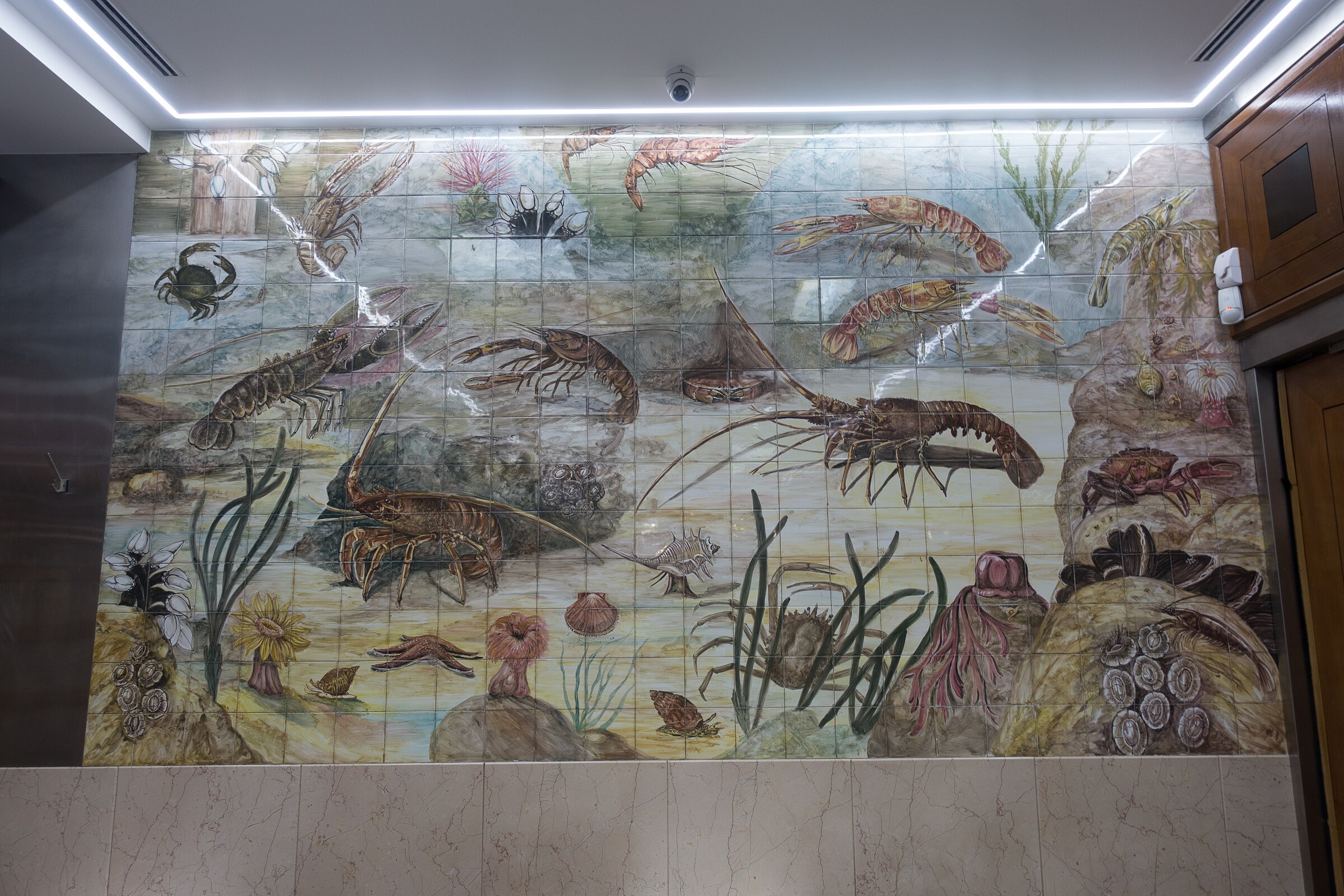
Seventy years of shellfish on Avenida Almirante Reis, and the sequence to order if you want to eat it correctly.
Cervejaria Ramiro is a seafood restaurant on Avenida Almirante Reis in Lisbon that has been open since 1956, has never had a Michelin star, has never asked for one, and is the single most important restaurant in the city for reasons that become obvious about twenty minutes into a meal there.
The place is a tiled room — two rooms, actually, stacked on different floors, with a small section of outdoor tables in summer — with white tablecloths, brusque waiters in white jackets, and a menu that is essentially a list of the shellfish available that day with weights and prices. The walls are covered in the plaques of visiting food writers and chefs. Anthony Bourdain ate here on a television show and the photograph is on the wall. So did half the serious chefs working in Europe at some point in the last thirty years. None of this has changed anything about how the restaurant operates.
The question is how to order. This is the thing that foreign visitors get wrong and that the Lisbon locals, having grown up eating at Ramiro or places like it, do instinctively. Ramiro is not a restaurant where you order a starter, a main, and a dessert. Ramiro is a restaurant where you order shellfish in sequence, one plate at a time, drinking cold white wine or cold Sagres beer, until you have eaten enough and then you stop.
Start with clams. The almôijoa à Bulhão Pato is the classic — clams steamed with olive oil, garlic, coriander, a squeeze of lemon — and is what Ramiro does as well as any restaurant in Portugal. Eat them with the bread that comes to the table. Drink the cold wine.
Move on to the razor clams. Lingueirão grelhado — grilled razor clams with a little garlic butter — are a different proposition from the stewed clams, and the texture change is part of what makes the meal work. Do not skip these.
Prawns next. The gambas da costa, the small local prawns, are the choice. They come boiled, in their shells, with salt. The waiter will bring a finger bowl. Peel them at the table. Eat them with your hands. The instinct of the foreign visitor is to order the carabineiros, the huge red gambas from the Algarve that are priced like a bottle of wine and look impressive on the plate. The carabineiros are fine. The smaller local prawns are better. They are also a fifth of the price.
If you are still hungry — and the point of this ordering method is to make sure you are — move to the crab. Sapateira recheada, the local brown crab, served stuffed back into its shell with its own picked meat and a little mayonnaise and lemon. One crab serves two people, usually. Most tables order one crab and one plate of something else at this point.
The goose barnacles, percebes, are the last course for a serious table. They are seasonal, expensive, and the pre-eminent test of whether a Portuguese restaurant knows what it is doing. Ramiro's percebes, when they have them, are very good. Eat them boiled, with salt, and nothing else. The right way to open a percebe is to pinch the dark end and pull; the meat comes out in a single piece. Do not attempt to eat the black rubbery part. The waiter will demonstrate, impatiently, if you look confused.
The final move is the steak sandwich. This is the Ramiro tradition that foreign visitors almost never know about: after the shellfish, the restaurant serves a bifana — a thin steak sandwich in a crusty Portuguese roll — as dessert. It is not on most versions of the menu. Ask for it. The waiter will nod. It arrives five minutes later. This is the signal that the meal is over.
Drink what you want, but the traditional pairing is vinho verde, the low-alcohol green wine from the north, served cold enough to taste the way it was meant to. Beer also works. The expensive Portuguese wines on the list are not necessary and are not the point.
The bill at Ramiro, for two people doing this properly, runs somewhere around eighty to a hundred euros including wine and tip. This is lower than what a comparable meal costs in most European capitals and is the reason Ramiro has not been priced out of its own success.
Ramiro does not take reservations in the traditional sense, though there is now an online waiting-list system that functions like a queue. Showing up at 7pm on a weekday and putting your name on the list will typically produce a table in thirty to forty-five minutes. Put your name down, walk across the street for a glass of wine, come back when the text message arrives. This is Lisbon. This is how it works.
What makes Ramiro specifically worth knowing about, as opposed to the dozen other seafood restaurants in Lisbon that do roughly the same thing at roughly the same price, is that Ramiro has been doing it at this level, without interruption, since 1956. The kitchen does not experiment. The menu does not change. The shellfish is delivered in the morning, prepared in the afternoon, served in the evening, and if you have come on the wrong day for a particular species, the waiter will tell you and offer the alternative. This is what a good restaurant is supposed to do. It has become, over the course of seventy years, increasingly rare.
Eat at Ramiro the first night you are in Lisbon. Order in the sequence above. Do not skip the bifana at the end. Come back on the third night, after you have seen what else the city offers, and order something slightly different, and notice that the second meal is, somehow, better than the first.
Most serious restaurants are this way. Ramiro is one of the few that has stayed this way for seventy years running.