Enoteca Pinchiorri, still worth it
Fifty years of three Michelin stars, a 120,000-bottle cellar, and the question of whether the longest-running fine-dining room in Italy still deserves the trip.
Enoteca Pinchiorri has three Michelin stars, a wine cellar with around 120,000 bottles, and a reputation among European food critics for being either the finest restaurant in Italy or a pretentious relic of the 1970s, depending on who is writing and how recently they have eaten there. Both positions have some truth. The more interesting truth is that the restaurant has been operating at this level since 1972, which makes it the longest-running three-star in Italy and one of the longest-running in Europe, and that the question of whether it is still worth eating at is the question a certain kind of traveller to Florence eventually has to answer.
The answer, having eaten there recently enough to have a view, is yes. Qualified yes, but yes.
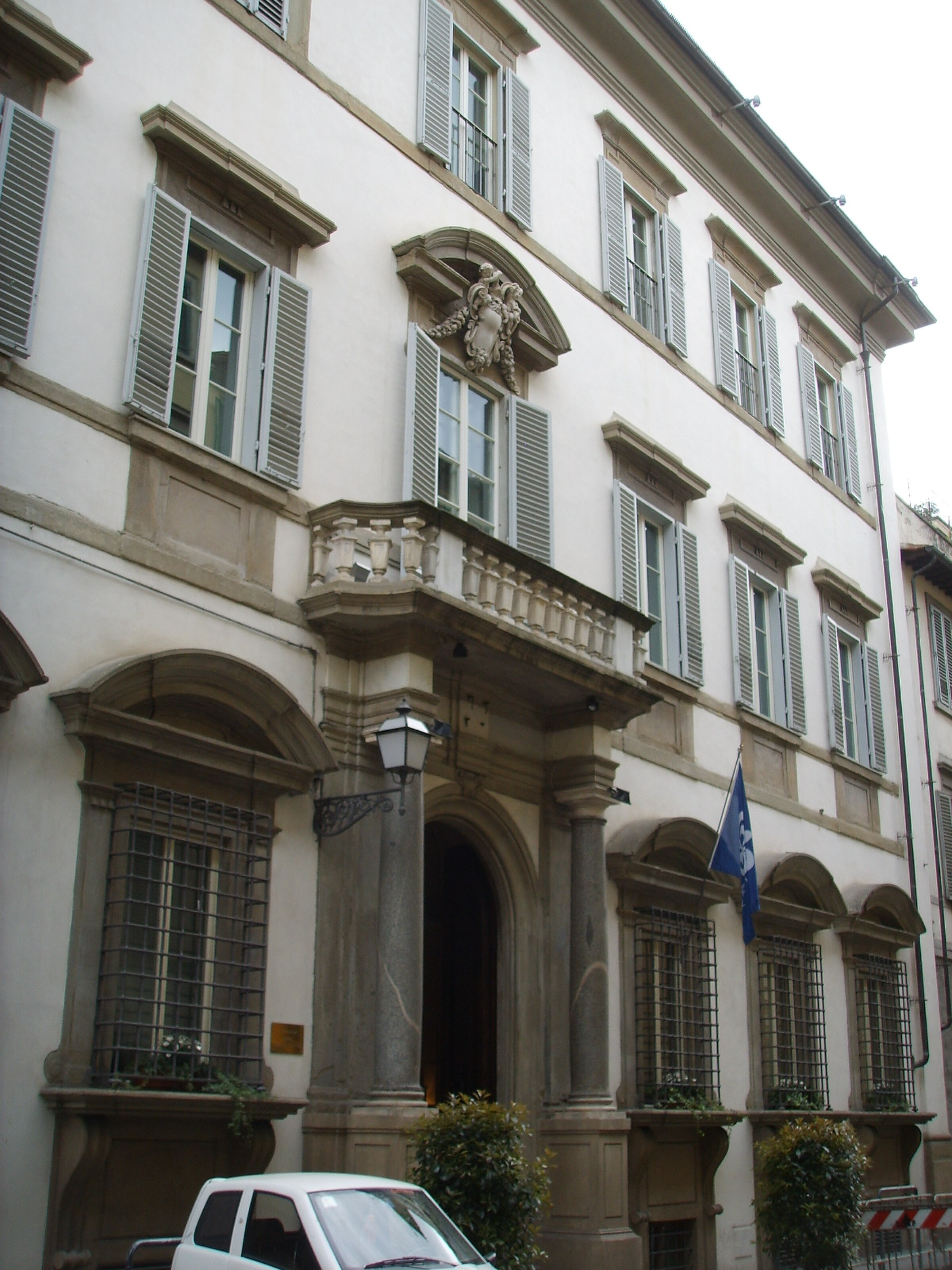
The restaurant sits on Via Ghibellina in the old city, in a fifteenth-century palazzo that has been the Pinchiorri family's wine bar since the 1960s and a serious restaurant since 1972. The dining room is formal in a way that most modern three-stars have moved away from — white tablecloths, heavy silver, the kind of floral arrangements that take up half the table, the kind of service that involves a captain who has been working the room for thirty years. The aesthetic is Italian 1980s in a way that reads, to a contemporary eye, either as dated or as refreshingly unfussed about fashion, depending on mood.
The kitchen is headed by Annie Féolde, who married Giorgio Pinchiorri in 1969 and has been cooking in the restaurant since before most of the chefs she competes with were born, and by Riccardo Monco and Alessandro Della Tommasina, the two long-tenured chefs de cuisine who do most of the day-to-day work now. The cooking is French-Italian in the old-fashioned sense — techniques out of the classical French playbook applied to Tuscan ingredients, with enough deviation toward contemporary plating to avoid feeling like a museum piece. The restaurant is not, and has never claimed to be, at the experimental frontier of fine dining. It is at the refined, conservative, execution-first end of the spectrum, and has been since that end of the spectrum was fashionable.
The wine list is the thing that makes Enoteca Pinchiorri specifically worth visiting. Giorgio Pinchiorri is one of the great collectors of Italian wine of the last fifty years. The cellar contains deep verticals of almost every significant Italian producer going back decades, a serious collection of Burgundy and Bordeaux, and a number of bottles that simply do not exist in quantity anywhere else. The sommeliers — there are several, and they have been there for years — know the cellar in a way that large wine programmes are rarely known by any individual. Ask them for a recommendation. Give them a budget, a flavour preference, a food pairing. What comes to the table will be something you have not had before and may not have again.
The criticism of Enoteca Pinchiorri, which surfaces in every other major review since about 2005, is that the food has not kept pace with the wine, or with contemporary three-star expectations, or with what younger Italian restaurants are doing. There is some fairness to this. The kitchen is executing a cuisine that was codified thirty years ago and has not radically updated itself. A meal at Enoteca Pinchiorri is not the same kind of meal as one at Le Calandre or Uliassi or any of the current Italian three-stars that are doing more interesting work on the plate.
But the critique is also beside the point. Enoteca Pinchiorri is not trying to be at the frontier. It is trying to execute a specific vision of refined Italian cuisine, at a technical level that most restaurants cannot reach, paired with a wine programme that most restaurants cannot compete with, in a room that has been doing this for fifty years. Judged on those terms, it succeeds. The pastas are pasta made by people who have been making pasta for decades. The meat courses are cooked with the kind of precision that only comes from long-tenured staff. The meal is calm, technically assured, and paced across three or four hours in a way that modern restaurants have mostly stopped attempting.
Who should eat here: travellers to Florence who want the classical Italian three-star experience and are paying for the wine programme as much as for the food. Travellers who have read a lot of food writing and want to understand where the Italian tradition comes from. Travellers who have eaten at all the current hot Italian restaurants and are ready for something that does not feel hot.
Who should skip it: travellers who want the cutting edge. Travellers on a budget — Pinchiorri is not cheap, and the wine upgrades it to very expensive very quickly. Travellers who find formal service off-putting.
The cost, for two, with a wine pairing from the sommelier: expect around five hundred to eight hundred euros, potentially more if the cellar recommendations get interesting. This is Michelin three-star territory and is not unreasonable for what the restaurant is.
What makes Enoteca Pinchiorri still worth it, fifty years in, is that it is doing a thing that is becoming harder to find: a restaurant run by its owner-founders, with its original standards intact, executing a classical cuisine at the highest technical level, with one of the great wine cellars of Europe in the basement. Most restaurants of this vintage have either closed, been sold, or declined. Pinchiorri has done none of these things.
Eat here once, with time on the calendar and budget on the credit card, and do not be talked out of it by writers who prefer newer restaurants. The newer restaurants will be along. Pinchiorri is the one that was there first and is, improbably, still here.