Florilège after the Azabudai move
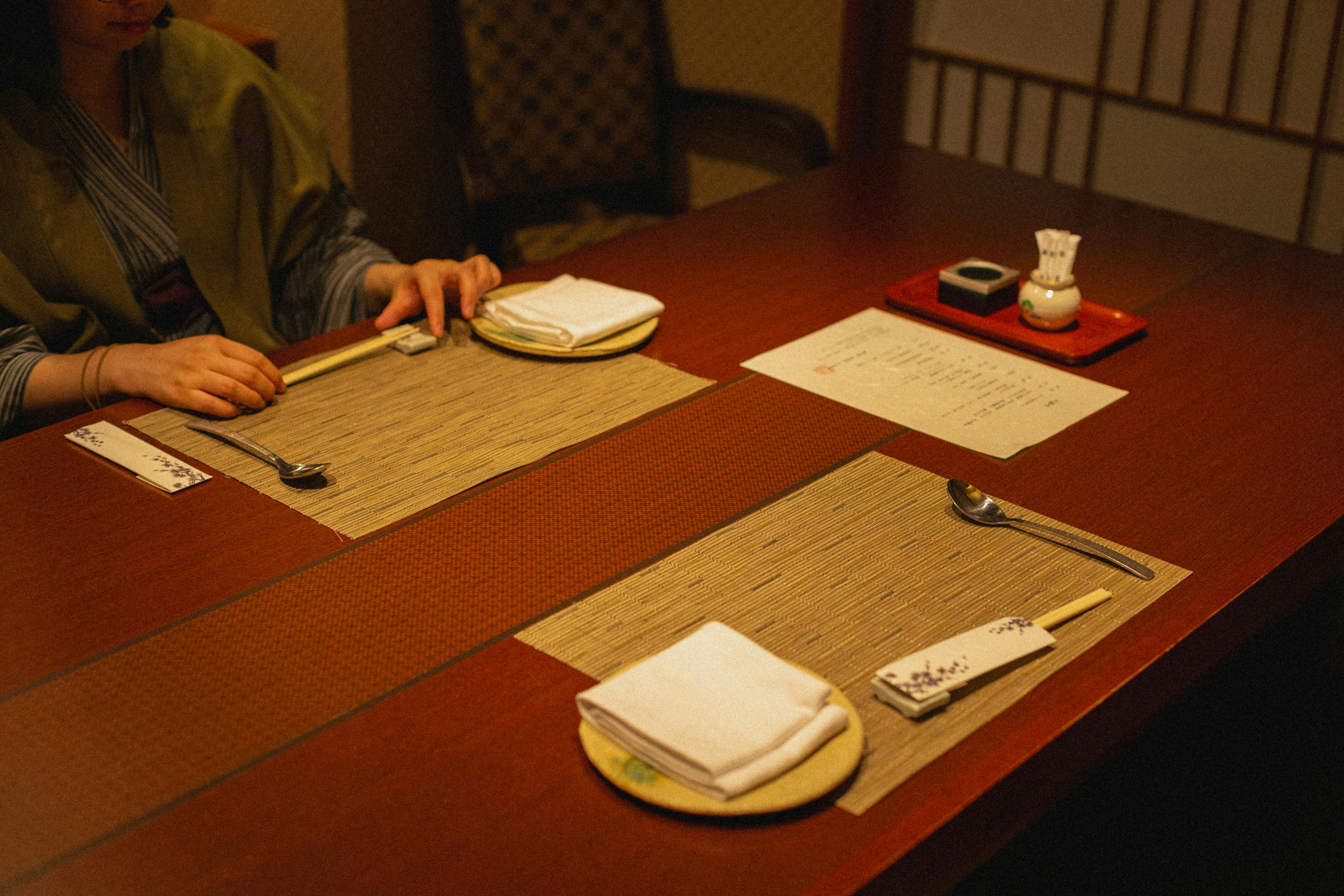
Hiroyasu Kawate's Tokyo three-star left the Jingumae basement for a Mori tower. What stayed and what didn't.
Florilège was, for about a decade, one of the finest French restaurants in Tokyo — which is to say one of the finest French restaurants in the world outside France, which is to say one of the handful of restaurants anywhere that serious diners made the trip specifically to eat at. It sat in a basement in Jingumae, fifteen seats at a counter, with Hiroyasu Kawate running the kitchen in full view and a menu that did what the best French-in-Japan restaurants have always done: apply French technique and French discipline to Japanese produce and Japanese sensibility, and produce a cuisine that belongs fully to neither tradition and could not exist in either.
In 2023, Florilège closed the Jingumae basement and reopened in Azabudai Hills, the new Mori development in central Tokyo. The restaurant is now on the upper floors of a tower, with a dining room that seats thirty, a dedicated tea room, a tasting counter, and the kind of view of the city that basement restaurants in Jingumae, by definition, did not have. It is the most ambitious relaunch a three-Michelin-star Tokyo restaurant has attempted in recent memory, and the question a traveller to Tokyo eventually has to ask is whether the move has left the restaurant intact.
The answer, having eaten at both versions, is: yes, but differently, and the differences are worth understanding.
The old Florilège was, in its room, an intimate restaurant. Fifteen seats meant everyone ate the same menu at the same time at the same pace, with Kawate cooking in the middle and the service team working a small space with maximum efficiency. The dining experience was closer to a chef's counter in Tokyo's better sushi rooms than to a Western fine-dining restaurant — a shared experience, collectively paced, with Kawate's personality dominant in the room.
The new Florilège is more conventional in its spatial logic. Thirty seats in a proper dining room, with a separate counter for smaller parties and a tea room for the dessert course. The service is excellent — Tokyo fine-dining service is excellent as a baseline — but the intimacy of the old room is gone by necessity. Kawate cannot cook for thirty covers simultaneously the way he cooked for fifteen. The kitchen is larger. The team is larger. The meal is quieter, which is to say less personally directed by the chef.
What has not changed is the cuisine. Kawate is doing the same thing he was doing in Jingumae: applying French disciplines to Japanese product, with a specific attention to the ethics of sourcing — Florilège has long been vocal about sustainable seafood, ethically raised meat, and local farm relationships, in a city where these values are not always the norm at the fine-dining end. The menu still opens with a beef course that is one of the most technically ambitious dishes in Tokyo: a single slice of carefully aged wagyu, served with a bone-marrow consommé, presented with specific context about the farm and the animal. The fish courses still move through sequences that reference both French and Japanese traditions. The vegetable courses still read as the work of a chef who takes vegetables as seriously as he takes protein.
The wine programme, which was strong in Jingumae, is now exceptional. The new cellar has room for the kind of deep vertical selections that the basement space could not accommodate, and the sommelier team has built a list that runs heavy on natural French producers alongside serious Japanese bottles that most Tokyo fine-dining programmes underweight.
Where the new Florilège gains is in what the larger space allows: more technically complex preparations, a more developed dessert course (the tea room is a genuine innovation), longer meals with more breathing room between sections, and a wine list that can keep up with the kitchen. Where it loses is in the personal quality of the experience. The old Florilège was Kawate's room. The new Florilège is Kawate's restaurant. These are different things.
Whether the move was right depends on what Florilège was trying to become. If the goal was to preserve the exact experience of Jingumae, the move was a mistake. If the goal was to grow the restaurant into something that could operate at the top tier of global fine dining for the next twenty years, the move was necessary — the basement space had capped what the restaurant could do.
The Michelin stars carried over: three stars in the new location, confirmed in the 2024 Tokyo guide. The World's 50 Best placement moved up. The international food press has been, broadly, positive. The Japanese food press has been, broadly, ambivalent, which is fair — the Japanese press correctly identified what the move cost, even while acknowledging what it gained.
Who should eat at the new Florilège: anyone visiting Tokyo who is serious about fine dining and has not eaten at Kawate's kitchen before. The new room is the new room; the cuisine is still the cuisine; the meal is still one of the best in the city.
Who should feel a specific loss: diners who ate at the Jingumae basement in its final years and valued that specific experience. The basement version of Florilège is gone. The cuisine continues. The room does not.
What the Azabudai move demonstrates, beyond its own case, is that Tokyo fine dining is in a specific transitional phase. The generation of restaurants that defined the city's international reputation — Sushi Saito, Quintessence, Ryugin, Florilège — are mostly still operating but are facing the same question: stay in the original small room that defined the experience, or scale into the larger formats that the global fine-dining market now expects. There is no right answer. Different restaurants will make different choices. Florilège has made its choice.
Eat there. Judge the new version on its own terms. Do not go expecting Jingumae.