Forget Madrid and Barcelona: Here's Why Valladolid is the Spanish City Worth Your Weekend
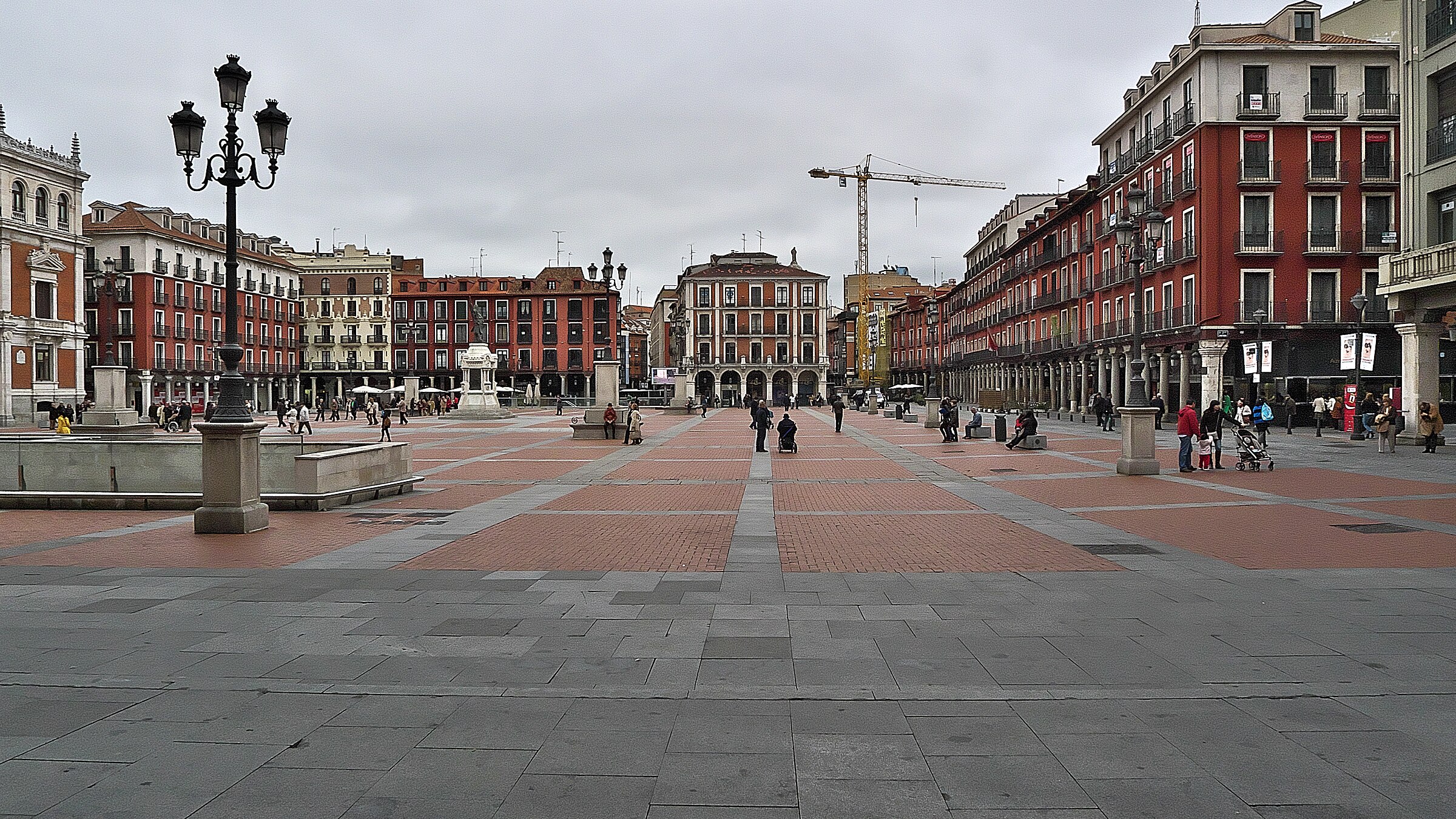
Castile's quietly working capital, the original Plaza Mayor, and the wine country at its doorstep.
If you've done Madrid for the museums and Barcelona for the architecture and San Sebastián for the food, and you're beginning to wonder whether there's anything left in Spain that hasn't already been written up in every luxury travel glossy for the last fifteen years — and the honest answer is yes, and it's Valladolid, and no one is going to be upset with you for not having heard of it.
Valladolid sits in Castile and León, about two hours north of Madrid by high-speed train, surrounded by the wine country of Ribera del Duero. It was, briefly, the capital of Spain — the court moved here in 1601 before moving back to Madrid five years later — and the city has spent the four centuries since quietly getting on with being one of the most liveable mid-sized cities in Europe that no one has bothered to turn into a destination. The result is a place that looks and feels like Spain without the Spain tax. No cruise ship day-trippers. No English-menu surcharge. No queue for the cathedral.
The Plaza Mayor is the thing to mention first, because it is the original. Every Plaza Mayor in every Spanish city — Madrid's, Salamanca's, the rest — is a variation on Valladolid's, which was the first grand rectangular arcaded plaza built as a piece of deliberate urban design in Europe, back in 1561 after a fire cleared the old market square. Francisco de Salamanca designed it. The King ordered it. Every subsequent Spanish city copied it. Standing in it on a Saturday evening, with the arcades lit and the locals doing their paseo, is one of those moments where you realise you are looking at the origin rather than a reproduction.
What to actually do with a weekend: start at the Museo Nacional de Escultura, which is the best museum in Spain most foreigners have never heard of — Berruguete, Gregorio Fernández, four centuries of polychrome wooden sculpture at a level the Prado cannot match because the Prado isn't trying. Eat lunch at Los Zagales for the Michelin-starred pincho scene (Valladolid wins the national pincho competition most years, which is a real thing and a serious one). Walk the old town in the afternoon — Casa de Cervantes, where the man wrote part of Don Quixote, is small and largely empty of tourists and therefore pleasant to visit. Dinner at La Mina for proper Castilian food or at Trigo for the modern version, depending on mood.
Day two belongs to Ribera del Duero. The wine region starts forty minutes east of the city and runs along the river through some of the most serious red-wine production in Europe. Dominio de Pingus. Vega Sicilia. Arzuaga. These are names Gulf collectors who care about wine will recognise; Vega Sicilia's Único is one of the two or three Spanish wines that sit comfortably next to First Growth Bordeaux on a serious cellar list. Visit at least one bodega. Most take English-speaking visitors by appointment. Eat lamb, roasted in a wood-fired oven the way Castilians have been doing it for six hundred years, at a roadside asador. Drink the wine at the vineyard rather than the hotel.
One more thing worth knowing, for readers whose interests extend beyond the table: Valladolid is, quietly, one of the centres of world padel. Gustavo Pratto's academy is based here — Pratto being the Argentine coach who has trained Arturo Coello since he was fourteen, and who now sits on the bench of Coello and Agustín Tapia, the current world number-one pair. The academy runs periodic courses at the Vega Sport club in the city and has new facilities at Arroyo de la Encomienda on the outskirts. Serious amateur players occasionally fly in for weeks of training. Most of the city's visitors never hear about any of this.
Where to sleep: AC Palacio de Santa Ana, a sixteenth-century monastery on the outskirts converted to a hotel, is the obvious choice for the one-night-special traveller. For something more central, Hotel Zenit El Coloquio is two blocks from the Plaza Mayor and does the job without drama.
The larger point about Valladolid is that it is what Spain looked like before the tourism industry decided what Spain should look like. The food is what Spaniards eat. The wine is what Spaniards drink. The prices are what Spaniards pay. The city has not been arranged for anyone's benefit except the people who live in it.
Go in May or October, when the weather is right and the light is good. Book three nights, not two. Leave room for the wine country day and the slower city day. Come back to Madrid afterwards, if you must, and notice how different it feels to have done the Spain most people don't bother with first.