Noma Projects, the lower-stakes sibling
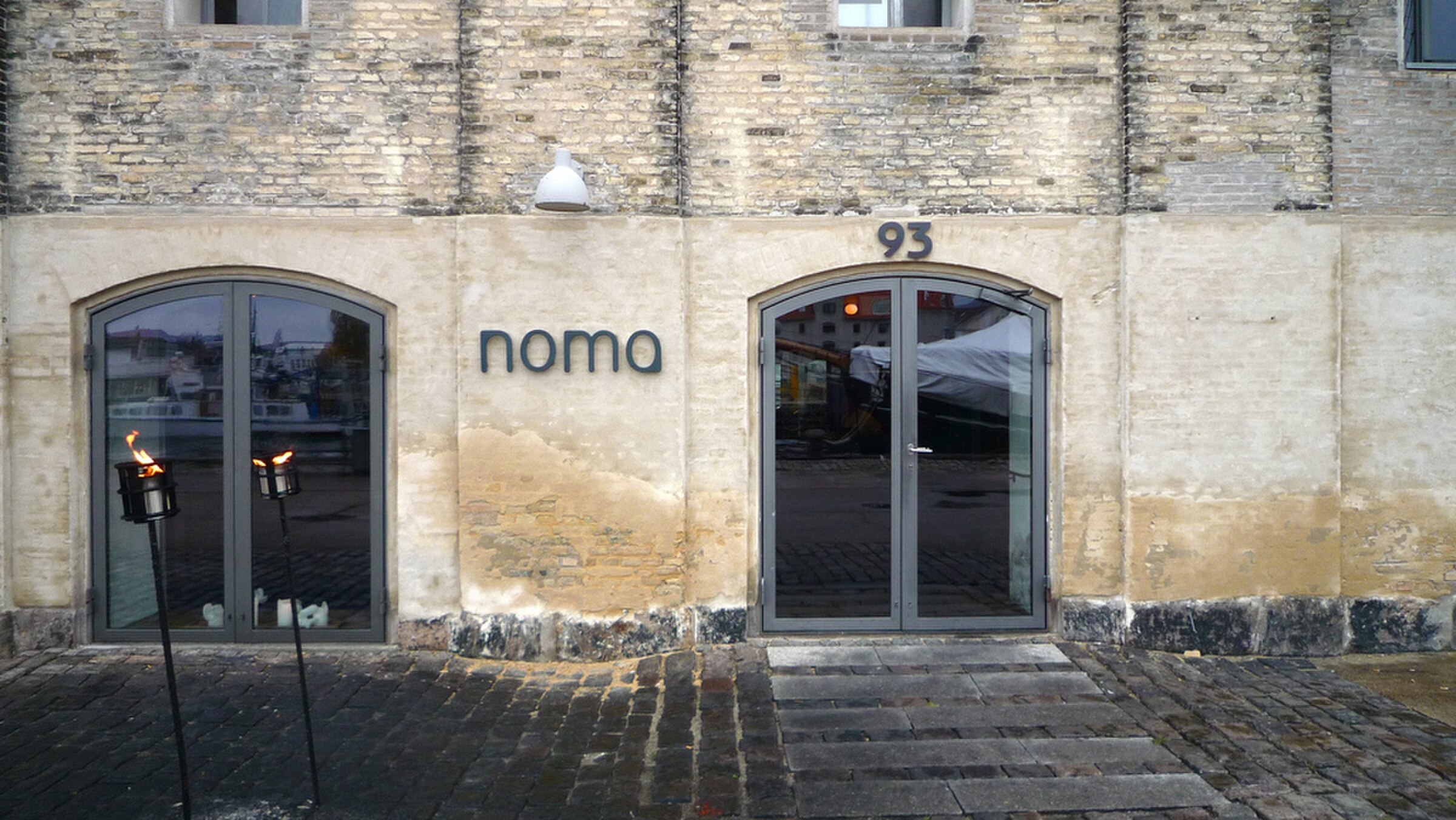
The Refshaleøen retail arm that may, in time, be the more significant half of what Noma becomes.
When Noma announced in 2023 that the restaurant would close at the end of 2024 and reconstitute as a food laboratory, the question most people asked was whether this meant the end of fine dining as Noma had practised it. When Noma Projects — the retail arm that had been selling fermented sauces, misos, and powders since 2022 — expanded alongside the announcement, the question shifted. Noma was not closing. Noma was becoming two things instead of one: a research kitchen doing pop-ups and experimental meals, and a product business selling the output of its fermentation lab to home cooks anywhere in the world.
The restaurant has received more coverage. Noma Projects is the more interesting development.
Noma Projects began, in its most modest form, as a way to sell the smoked mushroom garum and the black garlic that Noma's fermentation lab was producing in quantities beyond what the restaurant could use. By 2023 the line had expanded to include saffron honey, wild rose oil, various chilli products, and the pantry items that René Redzepi and the team had been developing for the menu. By 2024 the Projects team had moved into a dedicated building, the product range had grown to roughly twenty SKUs, and the business was operating at a scale that made it a serious food company rather than a restaurant side-line.
The thing that makes Projects specifically worth knowing about, as opposed to the many fine-dining restaurants that have launched retail products, is that the products are genuinely excellent and are being sold at prices that make them useful to cook with rather than ornamental. A Noma Projects smoked mushroom garum costs around thirty dollars for a bottle that will last a serious home cook several months of experimental cooking. The product is not cheap but it is not ornamental luxury either. The positioning is closer to a specialty pantry staple than to a trophy purchase.
The cuisine argument Noma Projects is making is more interesting than the retail argument. For two decades Noma has been developing a cooking approach — New Nordic, then beyond it — that has relied heavily on fermentation, foraging, and techniques that were difficult for home cooks to replicate without the infrastructure of a restaurant kitchen. The Projects products collapse that difficulty. A home cook who has never fermented anything can now take a bottle of Noma's smoked mushroom garum, use it as a seasoning in a braise or a dressing or a glaze, and produce flavours that three years ago required a research kitchen to produce.
This is, in a specific sense, what the restaurant's closure frees it up to do. Redzepi has been clear in interviews that the restaurant's fine-dining format had become a constraint on what the kitchen could research and share. Noma Projects is the mechanism by which the research leaves the restaurant. The question of whether Projects will grow to the point that it eclipses the original restaurant's cultural footprint — the answer is probably yes, eventually — is less interesting than the question of what kind of cooking project it becomes.
For a traveller to Copenhagen who is curious about Noma but cannot or does not want to book the full restaurant (reservations remain difficult even in its transitional phase, and the price is what it is), Projects offers an alternative entry point: visit the Projects shop in Refshaleøen, pick up a small selection of the products, and cook with them at home. This is, in some sense, the opposite of the Noma meal experience — a slow, home-based, cumulative encounter with the techniques rather than a single spectacular evening — but it is genuinely one of the more interesting things currently happening in food at the retail level.
The Projects space itself is worth visiting. It sits in the Refshaleøen industrial area, near the original Noma site, in a renovated warehouse building that functions as shop, production facility, and occasional event space. The shop is small and restrained — the kind of retail design that makes no particular effort to be photogenic, with products arranged on wooden shelving and priced clearly. The staff are knowledgeable in the specific Noma way: they have tasted everything, they have opinions, they will tell you what works with what.
What to buy: the smoked mushroom garum, which is the most useful single product in the line. The saffron honey, which is the most immediately rewarding for diners who do not want to cook with the products but want to taste them. The black garlic, if you cook seriously.
What Projects represents, beyond its own products, is a thesis about what fine-dining restaurants should be doing with the techniques they develop. Most of the great restaurants of the last forty years have produced cuisines that existed only in their own dining rooms. Noma is attempting to produce cuisine that leaves the dining room. Whether this succeeds in the long term will depend on whether the products keep their quality as the business scales, whether Redzepi and the team can keep developing the range faster than the market can commoditise it, and whether the cultural capital that Noma has built translates to a retail brand.
It is too early to say. The first three years of Projects suggest it has the potential to be one of the more significant food businesses of the decade. Buy the mushroom garum. Cook with it. See what happens.