One night in the Douro, out of Porto
A short journey east, two days at a quinta, and the case for not racing the wine country.
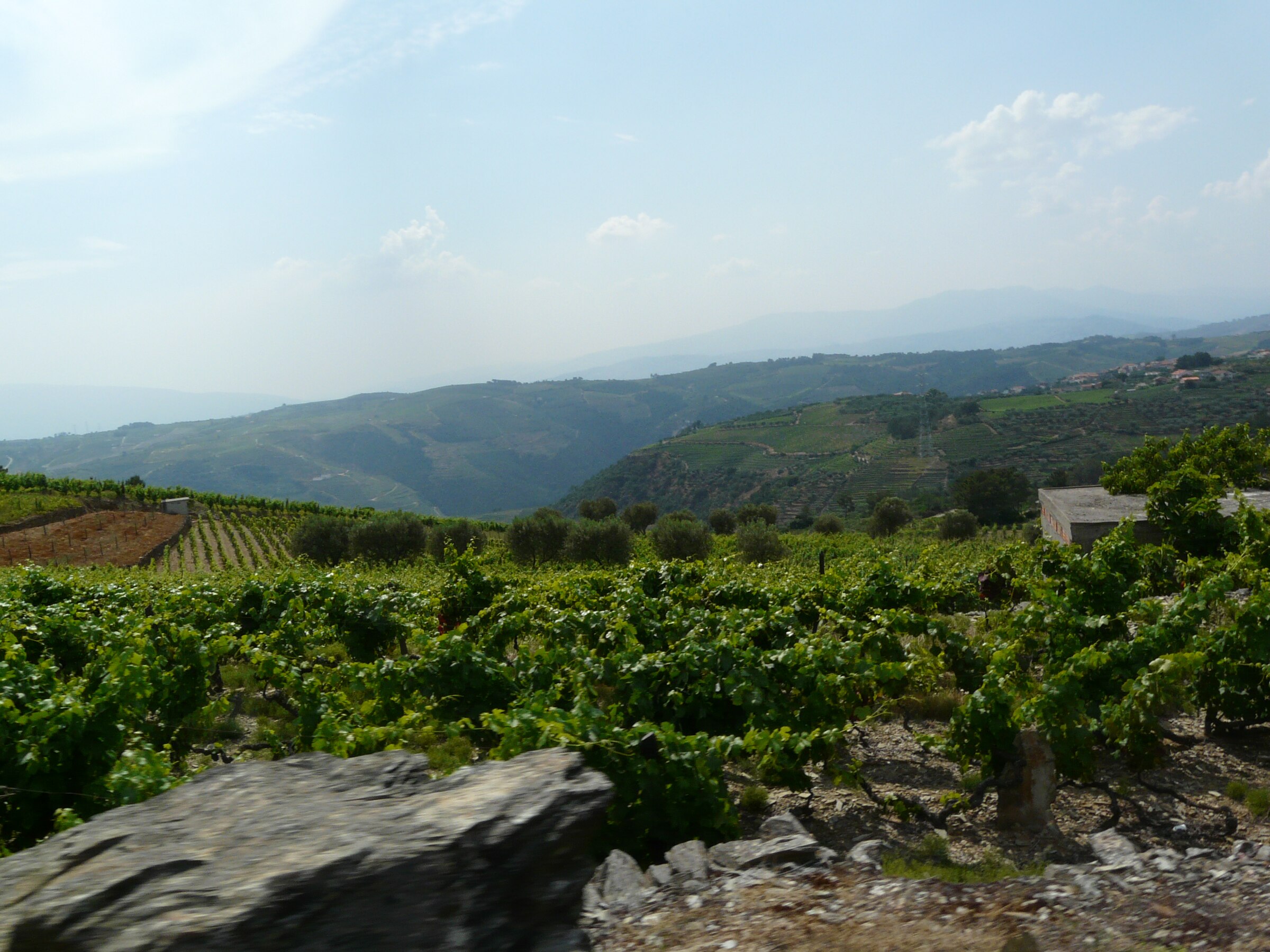
You leave Porto from São Bento in the late morning and you are in the valley by lunch. The train follows the river east, and the river, for the first hour, is the same river that runs past the port lodges and under the Ponte Luís I, except that it is not, really — it has thinned, slowed, changed colour. The industrial bank at Vila Nova de Gaia is replaced by terraces. Stone retaining walls, century after century of them, step down to the water. You stop looking at your phone.
The village is small. It is called, for the purposes of this, Pinhão, though there are half a dozen villages along this line that would do. A handful of quintas. A railway station tiled in blue azulejos showing the grape harvest. A café that is a café the way cafés used to be cafés — one room, four tables, a man behind a counter who has not been told to smile and does not. You order a coffee. He brings it. He leaves.
Outside, the light is the thing to watch. The Douro valley runs roughly east–west, and the sun moves across the terraces all afternoon in a way that does something specific to the stone. In the morning the terraces look like terraces. By four o'clock they look like something older than terraces — like the land itself has been ruled and flattened by a civilisation that has since moved on, which is, in fact, approximately what happened. The Romans were here. The terraces are mostly medieval, but the idea is Roman. Wine, stone, the slope, the sun.
Walk down to the water in the early evening. There are rabelos tied up at the quay — flat-bottomed wooden boats that used to carry barrels of port down to Gaia before the river was dammed and the train was built and the lorries took over. They are not working boats any more. They sit low in the water with tourists on them during the day, and at night they sit low in the water with no one on them, which is when they look most like what they used to be.
Dinner is a problem and a non-problem. The quinta you are staying at will feed you, which is easier and, usually, good. You will eat river fish and bread and a vegetable from a garden that you can see from the table. You will drink something from a vineyard you can also see from the table. This is the correct thing to do on your first night and you should do it. Plans for a more ambitious dinner can wait until you understand the valley better, which will take a day at least.
After dinner, walk. There is no light pollution to speak of. The stars are the stars you have been told about and then, every time you go somewhere remote, forgotten were real. The river runs black with reflections. A dog barks once and then stops. Somewhere a train passes, not the one you came in on, and the sound takes a long time to fade because the valley holds it.
Sleep with the window open if the season allows. The quinta will be older than you think. The shutters will be wooden. The room will smell faintly of the stone it is built from, and, depending on the quinta, faintly of wine, though this is less universal than the travel writing suggests.
In the morning, do less than you were planning. The temptation is to drive, to visit three quintas, to book a boat, to make a day of it. The valley is better on foot and at half the pace. Walk up through the vines behind wherever you are staying. The path will be a track, then a path, then a line that an animal made before anyone was here. You will end up, after an hour, at a high point above the river, and you will see the terraces running along the opposite bank the way you saw them from the train the day before, except now you are inside the picture and not watching it go past.
This is the point of coming here. Not the wine — though the wine is the reason the valley looks the way it does and a reason to pay attention. Not the food, which is good in the way food tends to be good when it is made near where its ingredients grew. The point is the scale. The Douro valley is one of the oldest continuously cultivated landscapes in Europe, and standing in the middle of it rearranges, temporarily, your sense of what a landscape is supposed to do.
Catch the afternoon train back to Porto. You will be in the city by evening. The river, at Porto, will seem, for a day or two, like a different river. This is correct. It is.