Sidi Bou Said in shoulder season, and the Tunis coast without the Mediterranean-summer crowd
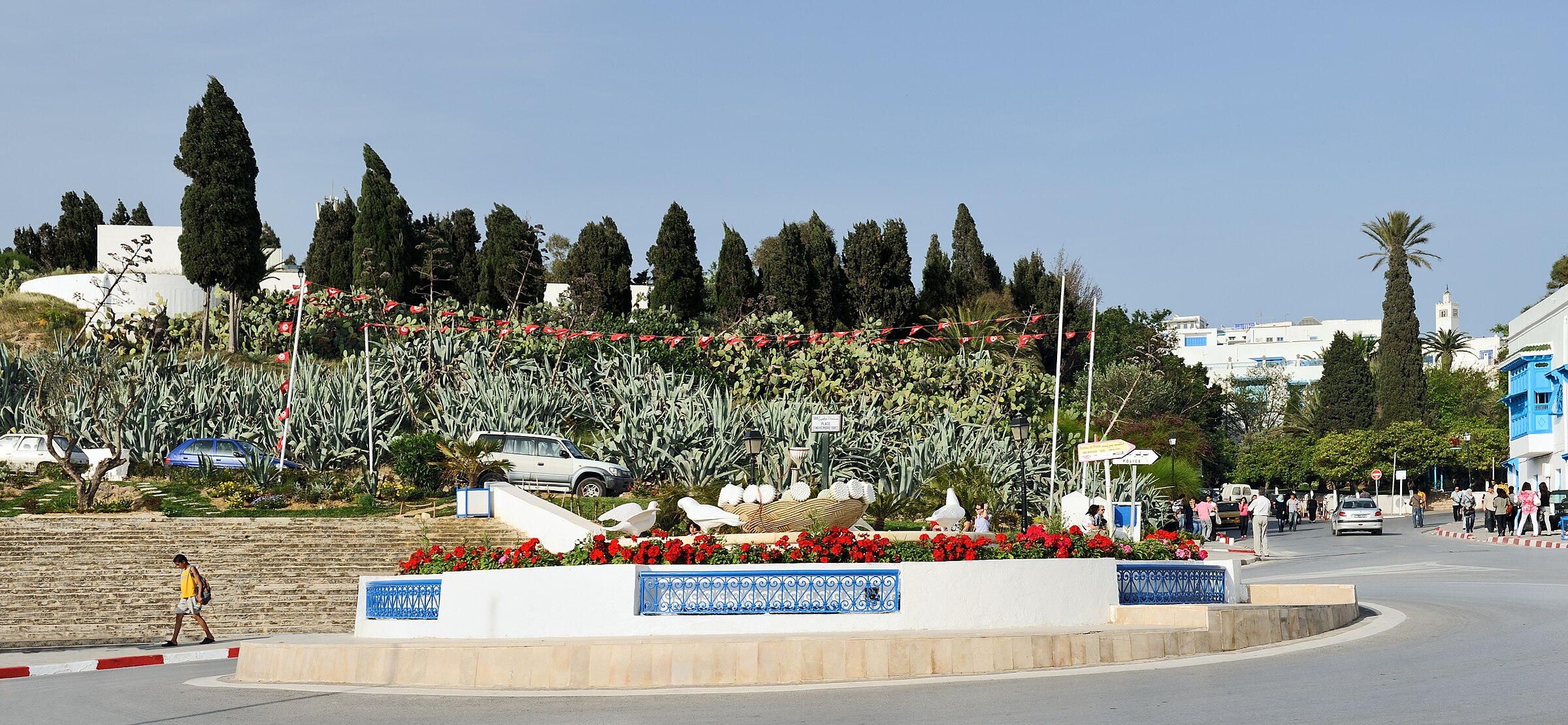
The blue-and-white village in October, the Tunis coast on a Tuesday, and the Mediterranean trip the summer pieces don't quite describe.
Sidi Bou Said is the small blue-and-white village on the cliffs twenty kilometres north of Tunis, and the thing most travel writing about it gets wrong is the season. The Mediterranean pieces recommend July and August, when the village is at maximum capacity and the light is too bright and the tourists who have crossed the water from Sicily or flown in from Paris have filled the cafés by ten in the morning. The correct time to go is October, or early November, when the crowds are gone and the light, which is the thing you actually came for, is working as it should.
The village itself is the usual story for a place that has been continuously painted for a hundred years in a single palette. Blue shutters. White walls. Bougainvillea. The decree that required this colour scheme was issued by Baron Rodolphe d'Erlanger in 1915 and enforced with an enthusiasm that has not since relaxed. You walk up from the car park — Sidi Bou Said sits on a hill and most of it is pedestrian — and within five minutes you have seen the photograph you came to take. The photograph does not require effort. The point is to keep walking past it.
The Café des Nattes is the old café at the top of the main street and is the correct place to have mint tea and watch the street. It has been there since the eighteenth century and has not been renovated in the way renovations happen to cafés in successful tourist villages, which is a mercy. Sit on the tiled banquette. Order the tea with pine nuts. An hour passes. A man plays the oud in the corner, because a man plays the oud in this corner every afternoon, and has done for decades.
The Dar el-Annabi museum is a block away and is the Tunisian domestic interior you should see if you only see one — a traditional house preserved as it was used, with the courtyard and the qubba and the sleeping rooms arranged around interior reflection. It takes twenty minutes to walk through and is a better use of those twenty minutes than any of the gift shops on the main street.
What Sidi Bou Said does well, and what the Mediterranean travel press consistently fails to communicate, is that the village is the starting point and not the destination. The Tunis coast runs north from here — La Marsa, Gammarth, Raouad — through a string of seaside suburbs that have produced the summer houses of Tunisian Paris for a century. The road is good. The beaches at this time of year are empty. You rent a car in Tunis, drive up the coast, stop where something looks interesting, eat lunch at a fish restaurant that charges in Tunisian dinar and serves the sea bream that was caught that morning.
The archaeological point of the trip, if you need one, is Carthage, which is fifteen minutes south of Sidi Bou Said and on the way back to Tunis. The ruins are not the Roman Forum and never will be — the centuries of destruction and rebuilding have left a site that requires more imagination than inspection — but the Antonine Baths on the waterfront are genuinely astonishing, and the setting, with the Mediterranean on one side and Tunis in the distance on the other, is worth the detour. Go in late afternoon. The light is better then.
Where to sleep is the question most visitors get wrong. The hotels in Sidi Bou Said itself are fine but not remarkable. Dar Said is the one worth knowing about — a converted nineteenth-century villa at the top of the village, with ten rooms around a courtyard and a pool overlooking the Gulf of Tunis. Book early if you want it. The alternative is to base in Tunis proper — La Villa Bleue or La Maison Blanche in the Nord Hilton area — and drive up for the day, which gives you access to a serious city at night.
Tunis as a city is the thing most visitors to Sidi Bou Said miss. The Medina is a UNESCO site and one of the best-preserved old cities in the Mediterranean, the souks are less picked-over than Fez or Marrakech because fewer tourists arrive, and the food in the new city — serious Tunisian cooking, French bistro traditions, the café culture that came with the French protectorate and stayed — is the kind of urban cuisine that deserves more foreign attention than it gets. El Ali in the Medina for traditional Tunisian. Dar El Jeld for the ceremonial version. Le Golfe in La Goulette for the fish you are supposed to eat in the port city.
The broader point about the Tunis coast in shoulder season is that it is the Mediterranean experience most Mediterranean writing promises and rarely delivers: a place that has not been optimised for you, where the beach in front of the restaurant is the beach where you can actually sit, where the café up the street is the café where the owner will remember you by the second day. The summer months make this difficult. October makes it easy.
Go before the coast follows the rest of North Africa's tourist coastline into full-season optimisation. That may take another decade, or it may take three. Either way, the window is now.