The case for the Grand Seiko Snowflake, twelve years in
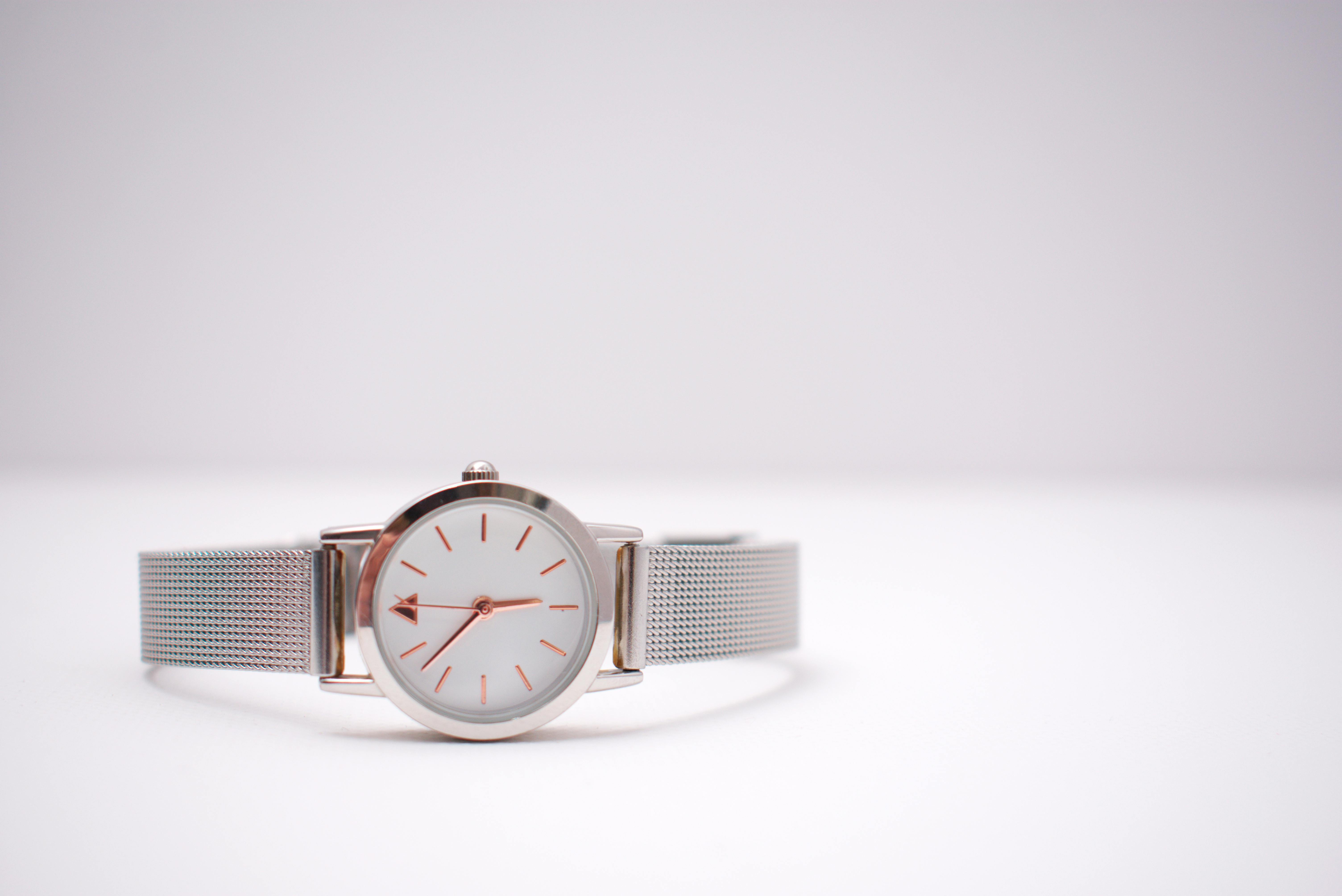
Twelve years of comparison have not produced a Swiss watch that argues effectively against it.
The Grand Seiko Snowflake is a watch that has been written about so many times that anyone serious about watches either already owns one or has explicitly decided not to. Twelve years after its introduction — the SBGA211, successor to the SBGA011 — the watch sits in a specific and useful position in most discussions about what to buy: it is the Japanese answer to the Swiss dress-sport watch, it is the Spring Drive watch that people point to when they want to explain Spring Drive, and it is, for a particular kind of collector, the one-watch answer.
The case is 41mm and 12.5mm thick, titanium, with a finish that combines three different surface treatments — hairline, mirror, and the zaratsu-polished bevels that Grand Seiko has made its signature. The dial is the Snowflake dial, and twelve years of photographs have not communicated what it actually looks like in hand. It is textured in a way that references Shinshu snow but reads, at arm's length, as simply dimensional — not a flat dial with a pattern, but a dial with actual depth that catches ambient light differently depending on where the wrist sits. The blued seconds hand sweeps in the Spring Drive glide, which is the other thing photographs do not communicate. It is smooth in a way that mechanical watches are not and quartz watches cannot approximate. Twelve years of collectors putting the Snowflake next to Swiss automatics has not produced a Swiss automatic that moves its seconds hand like this.
Spring Drive is the argument the watch makes for itself. The movement, Grand Seiko's 9R65, combines a traditional mechanical mainspring with an electromagnetic regulator in place of the escapement. The mainspring drives the watch; the regulator, rather than ticking the balance wheel through a lever, smooths the rotation of the glide wheel electromagnetically, keeping it within one second per day. The result is a watch that is mechanical in every meaningful sense — there is no battery, there is no motor, it is wound by the rotor — but that tells time with quartz accuracy and with a seconds hand that simply moves. No ticks. No jumps. Just motion.
The argument against Spring Drive is that it is not a traditional escapement, and the argument against the Snowflake specifically is that the 41mm case is, by the standards of 2025 consensus on dress-watch sizing, slightly large. Both arguments have some merit and neither is usually a deal-breaker for the collectors who buy the watch.
The sizing is worth spending a moment on. Forty-one millimetres is not small. It is not the 38mm that the current collector orthodoxy considers correct for a dress-adjacent watch. But on the wrist, the Snowflake wears smaller than its dimensions suggest, part on the wrist, the Snowflake wears smaller than its dimensions suggest, partly because the titanium is light and partly because the lugs curve sharply downward and the case is not particularly thick. It is not a small watch. It is not a watch that tries to be small. It is a 41mm watch that, on a 17cm wrist, sits correctly.
The Snowflake sits in the same category as the Lange 1 or the Patek Aquanaut in that it is a watch most collectors either own or have reckoned with. It is the Grand Seiko that people buy when they want to understand what Grand Seiko is doing, and twelve years later it remains the cleanest introduction to the brand's proposition. The finishing is at a level that competes with any Swiss house at twice the price. The movement is genuinely different from anything being made in Switzerland. The dial is the best argument any watch in its price range makes for itself.
The watch costs around six thousand dollars at retail. A Rolex Datejust costs double that. An Omega Aqua Terra costs comparable money with a less interesting movement and a less interesting dial. The Swiss competition, on a pure what-you-get-for-the-money basis, struggles to make a case against it.
The counter-argument — and collectors who dislike the Snowflake usually make some version of it — is that the watch is too quiet. It does not announce itself. It does not have the cultural weight of a Rolex or the collector-community consensus of a Lange. A Snowflake on the wrist, in most settings, will not be recognised. For buyers who want a watch other people understand, this is a problem. For buyers who have got past that stage, it is the point.
Twelve years in, the Snowflake is what it was at launch: a watch made by a Japanese company that decided to compete with the Swiss at their own game on their own terms, and then did. It is not the most expensive watch. It is not the most complicated. It is not the rarest. It is the one that, twelve years of comparison later, remains the hardest to argue with.
Most one-watch collections that include a Snowflake do not need a second watch.